Seasonal Dutch Comfort: Two Recipes Celebrating Local Produce
Winter is the perfect time to embrace hearty, wholesome meals that warm both body and soul. Today, I’m sharing two delicious Dutch recipes that celebrate seasonal vegetables and demonstrate how simple, locally-sourced ingredients can create extraordinary flavors. Whether you’re looking for a vegan option or a traditional comfort dish, these recipes showcase the best of what local farming has to offer.
The Beauty of Seasonal Eating
Before we dive into these recipes, let’s talk about why seasonal, local eating matters. When you choose vegetables that are in season in your region, you’re not only getting produce at its peak flavor and nutritional value, but you’re also supporting local farmers and reducing your carbon footprint. Winter vegetables like leeks, fennel, and endive (andijvie) thrive in cooler months and are staples in Dutch cuisine for good reason—they’re robust, flavorful, and incredibly versatile.
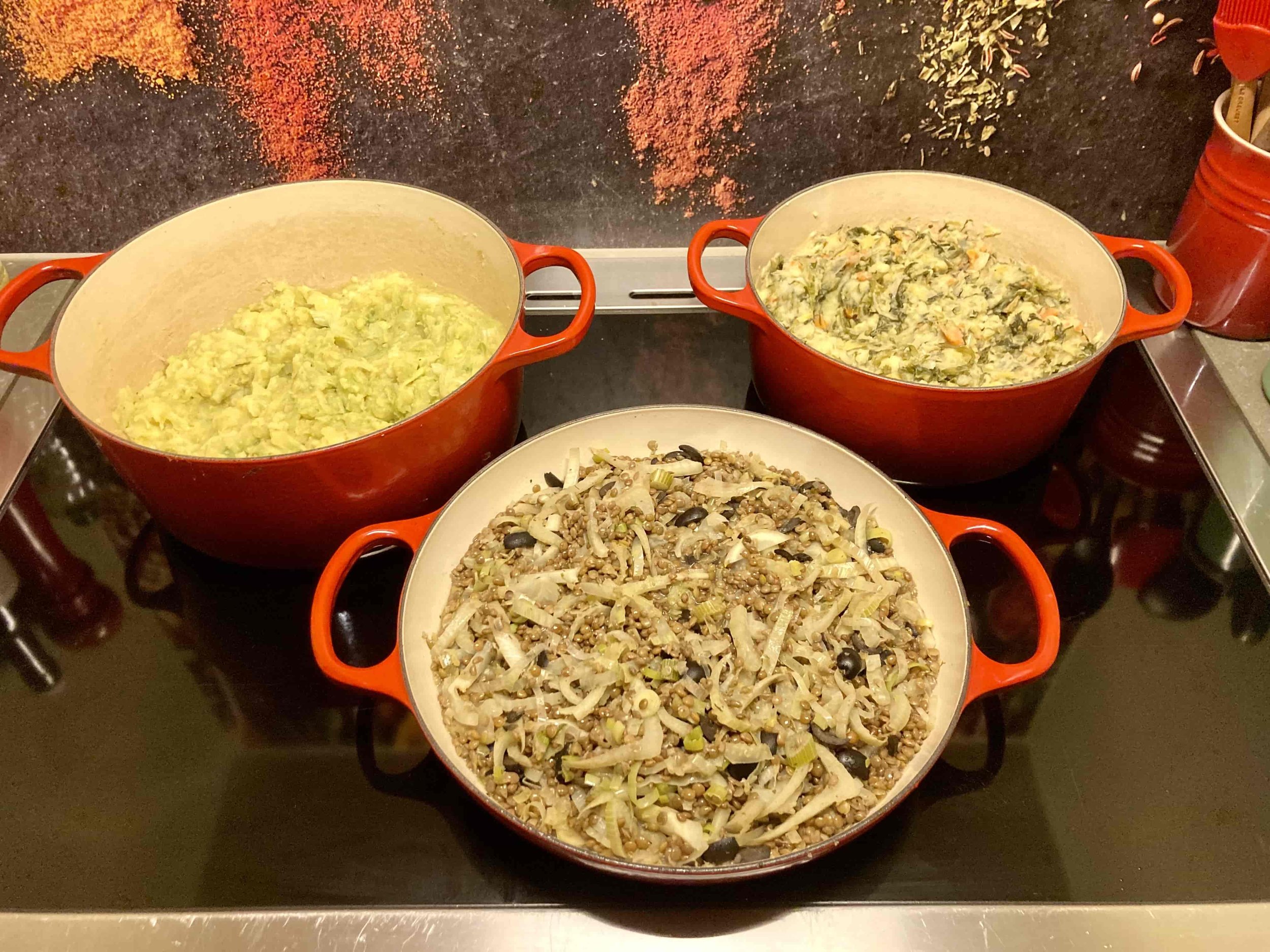
Recipe 1: Braised Lentils with Leek, Fennel, and Olives (Vegan)
This plant-based dish is a celebration of Mediterranean flavors meeting Dutch winter vegetables. Ready in just 25 minutes, it’s proof that vegan cooking can be quick, satisfying, and bursting with flavor.
Ingredients:
3 fennel bulb
300gr leeks
3 tbsp mild olive oil
700 ml (1⅔ cups) water
1 vegetable bouillon cube
150gr black olives
400gr canned lentils
90gr raw hazelnuts
1 tbsp white wine vinegar (or distilled vinegar)
1 tsp mustard
Instructions:
Cut off the stalks and a piece from the bottom of the fennel bulbs, and reserve the fennel fronds. Halve the s lengthwise and slice into thin strips. Cut the leek into half rings and rinse under cold running water.
Heat ⅔ of the oil in a wide pan over medium-high heat and sauté the leek and half of the fennel for 5 minutes. Add the water and bouillon cube. Bring to a boil and let simmer for 10 minutes without a lid on low heat.
Meanwhile, halve the olives. Drain the lentils from the can, rinse under cold running water and let drain. Add the lentils together with the olives in the last minute.
Meanwhile, heat a frying pan without oil or butter and toast the hazelnuts for 5 minutes until golden brown. Let cool on a plate and chop coarsely.
Finely chop some parsley. Whisk the vinegar with the remaining oil and mustard into a dressing.
Mix the remaining fennel with the dressing and parsley. Season to taste with pepper if needed.
Divide the stew among the plates and top with the fennel salad. Sprinkle with the almonds and fennel fronds.
Why This Recipe Shines
Lentils are a nutritional powerhouse, providing plant-based protein and fiber while being incredibly sustainable to grow. Combined with locally-grown leeks and fennel, this dish embodies everything wonderful about seasonal vegan cooking. The addition of olives, toasted hazelnuts (from our own garden), and a mustard vinaigrette creates layers of flavor that will satisfy even the most dedicated meat-eaters.
The Vegan Connection
This recipe is naturally vegan and demonstrates how plant-based eating doesn’t mean sacrificing richness or satisfaction. Lentils require significantly less water and land than animal proteins, making them an environmentally friendly choice. When you source your leeks and fennel from local farms, you’re further reducing the environmental impact of your meal while supporting your community’s agricultural economy.
Serving Suggestions
Serve this as a main course with crusty bread, or as a side dish alongside roasted vegetables. The fresh fennel salad on top provides a wonderful textural contrast to the tender braised lentils.
Recipe 2: Vegan Endive-Leek Stamppot with Balsamic Gravy
A plant-based twist on the classic Dutch comfort food! This hearty stamppot combines earthy potatoes with bitter endive and sweet leeks, all brought together with a rich balsamic-soy gravy. Perfect for cold winter evenings.
Ingredients
For the Stamppot:
1 kg (2.2 lbs) floury potatoes
400 g (14 oz) chopped endive (andijvie)
2 leeks
1 vegetable bouillon cube
1 generous tablespoon mustard
Splash of warm plant-based milk
Splash of ketjap manis (sweet soy sauce)
Knob of vegan butter
½ tablespoon Italian herbs
Pepper to taste
Olive oil
For the Gravy:
1 onion
Garlic cloves (to taste)
Balsamic vinegar
Reserved cooking liquid from vegetables
Extra ketjap manis
Instructions
Prepare the potatoes: Peel the potatoes and cut them into chunks. Cook the potatoes with the vegetable bouillon cube in boiling water for 20 minutes until tender.
Prep the vegetables: Meanwhile, slice the leeks into rings and cut the endive.
Cook the greens: Add the endive together with the leeks to the potatoes and cook for 5-7 minutes
Make the gravy: Heat some olive oil in a frying pan and sauté the onion with garlic. When the onion turns golden brown, add a splash of balsamic vinegar and ketjap manis. Use some of the reserved vegetable cooking liquid to create a rich gravy. (You can add other herbs to your tasting)
Drain and reserve: Drain the potatoes and the endive-leek mixture. Important: Save some of the cooking liquid to enhance your gravy.
Mash: Mash the potatoes, endive and leek with a generous splash of warm plant-based milk, mustard, and a knob of vegan butter until smooth and creamy.
Garnish with the balsamic-onion gravy and optionally some finely chopped raw endive for a fresh, bitter contrast.
Why This Recipe Works
This vegan version of traditional Dutch stamppot proves that plant-based comfort food can be just as satisfying as the original. The balsamic-soy gravy adds depth and umami that replaces the richness of bacon, while the caramelized onions provide sweet, savory notes.
If you are not a member of a lcoal community farm, look for local potatoes, leeks, and endive at local farmers’ markets. These winter vegetables are typically grown throughout the Netherlands/Europe and taste best when fresh from nearby farms!
The Joy of Simple, Honest Cooking
Whether you’re embracing a fully plant-based lifestyle or simply trying to incorporate more vegetables into your diet, these recipes offer wonderful starting points. They demonstrate that sustainable, local eating doesn’t require sacrifice—it enhances flavor, supports community, and connects us more deeply to the rhythms of the seasons.
This winter, I encourage you to seek out local farmers, experiment with seasonal vegetables, and discover the satisfaction of cooking with ingredients that haven’t traveled halfway around the world to reach your kitchen. Your taste buds, your community, and the planet will thank you.
Eet smakelijk! (Enjoy your meal!)